

RIZKIA doesn’t come out of fashion first. It comes out of endurance.
Built by William Goodge, the brand sits in a space that most performance labels try to imitate but rarely own. It is not just “running inspired.” It is built from actual mileage, actual stress, actual environments. The product is the byproduct of movement, not the starting point.
That difference shows up immediately in how the brand speaks. There is no overdesigned performance language. Instead, it leans into a philosophy rooted in risk, exposure, and pushing beyond comfort. The brand frames itself around the idea that real reward sits outside familiarity, a mindset pulled straight from endurance culture rather than fashion marketing .
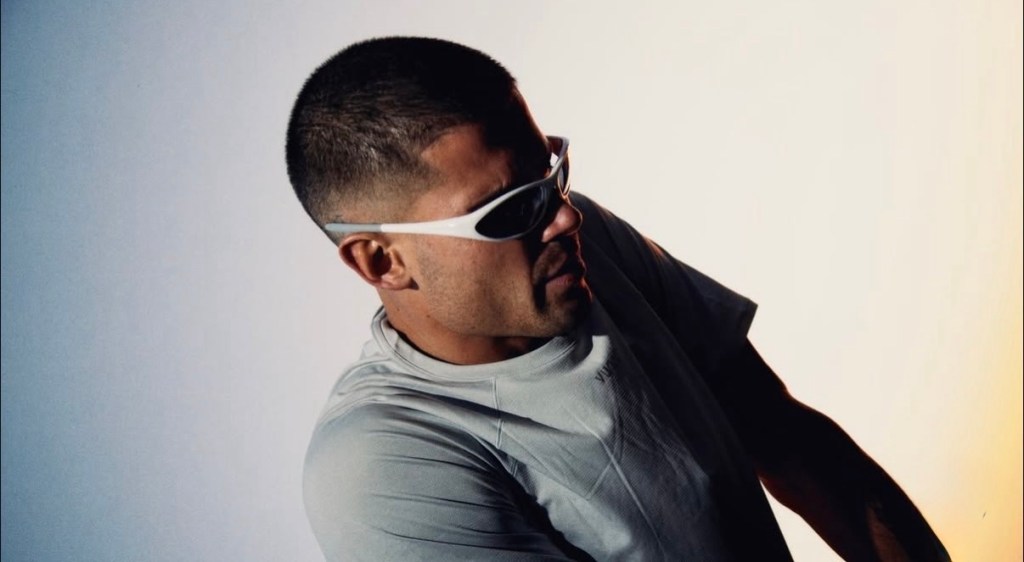
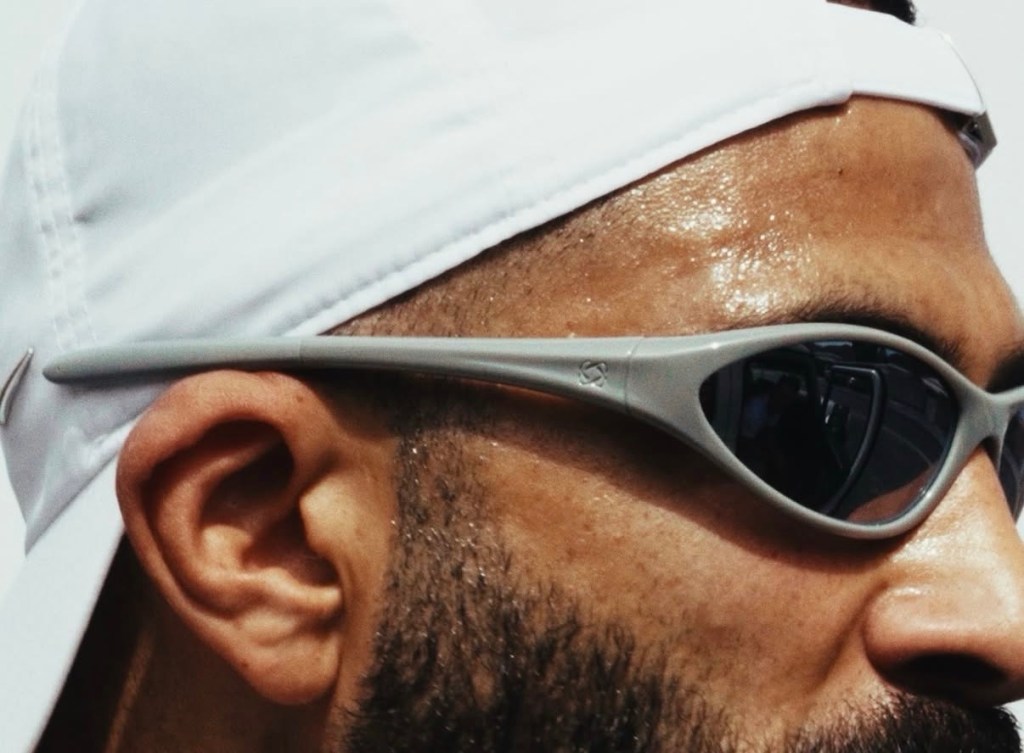
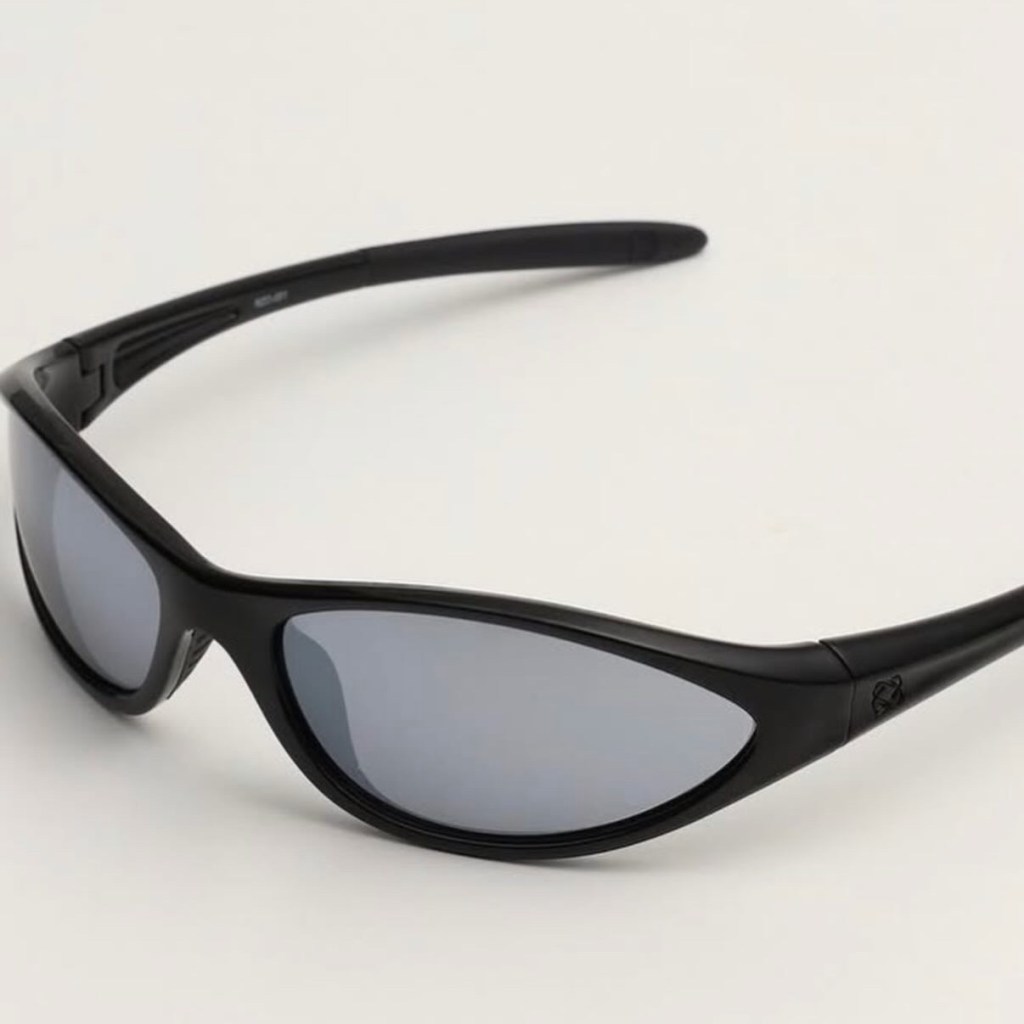
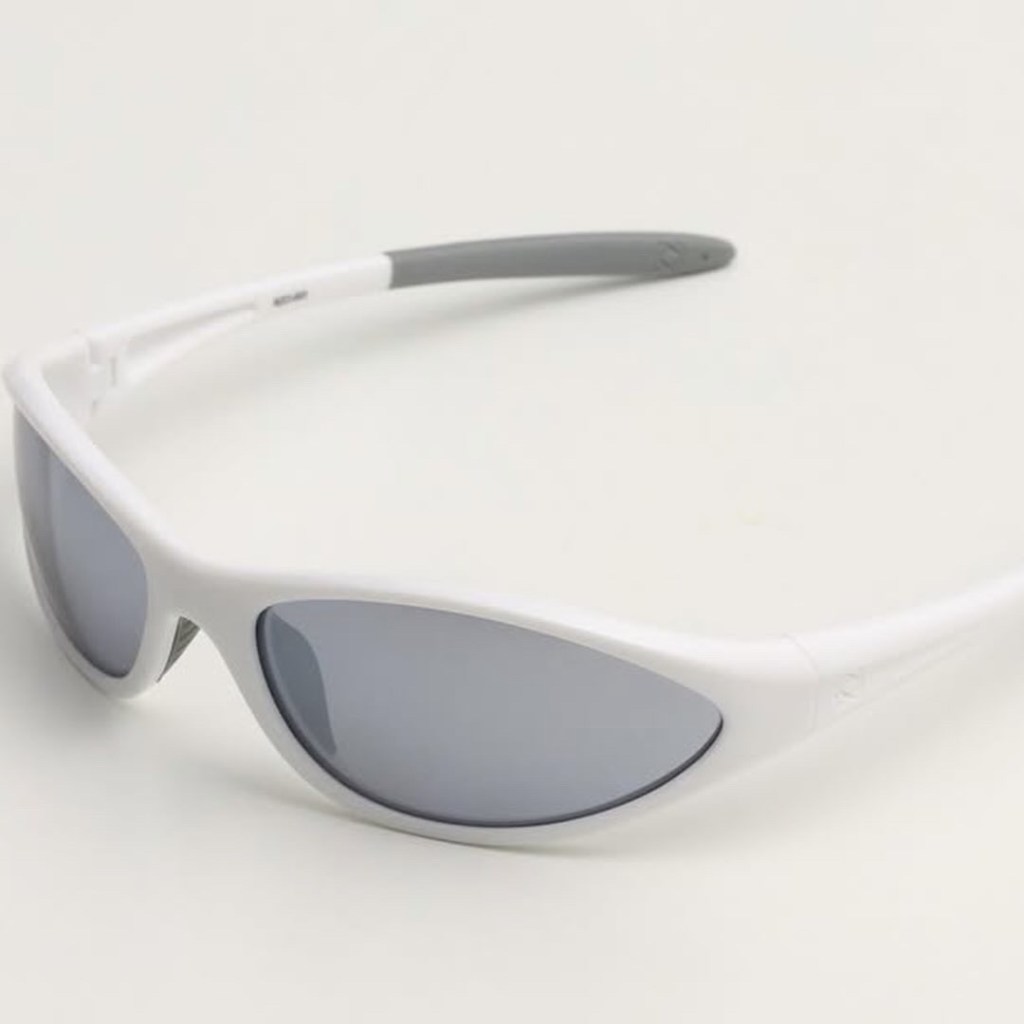
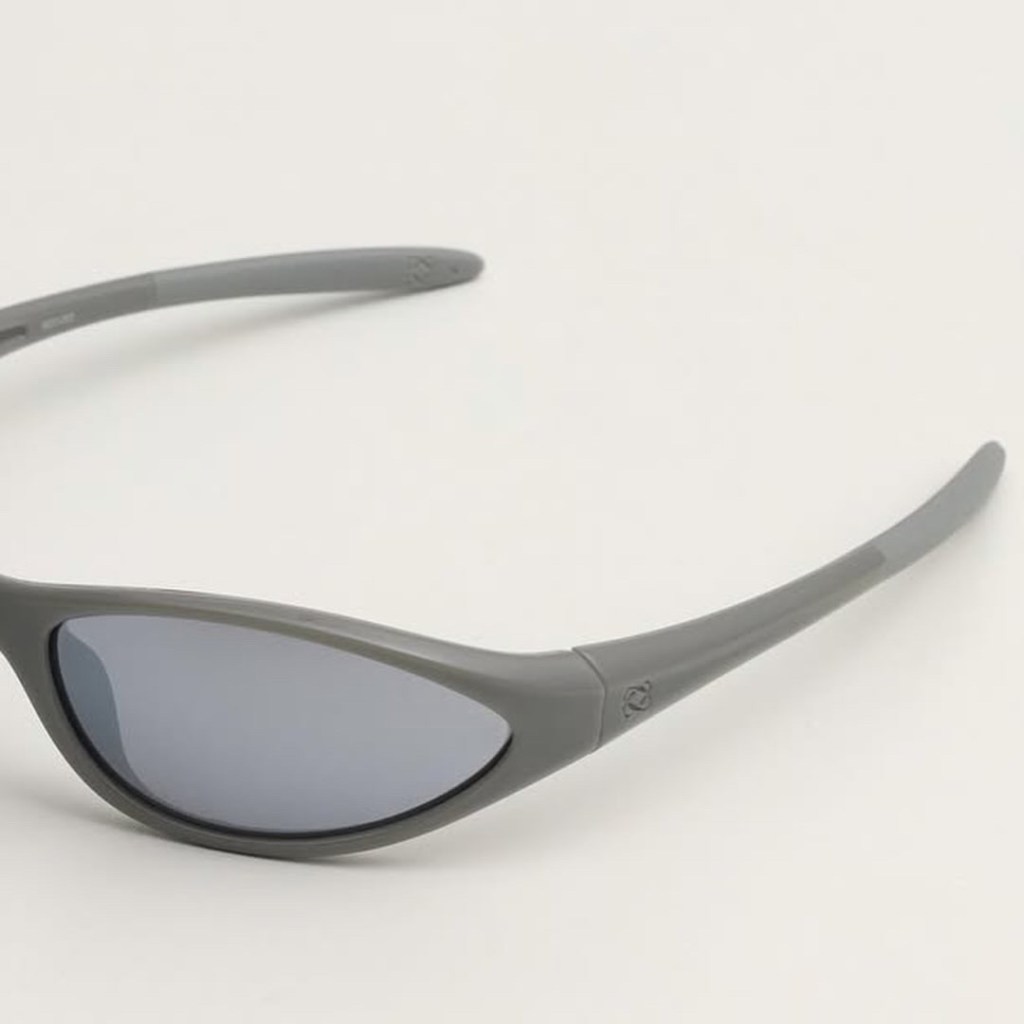
The core product, the Origo frame, reflects that approach. It is positioned less like an accessory and more like equipment. Tested across extreme conditions, from desert terrain to high altitude environments, the eyewear is designed for long duration movement, not short term aesthetic moments. The build focuses on stability and retention, with rubberized contact points and lightweight materials meant to disappear on the face while in motion. The goal is simple. No distraction, no adjustment, no failure point when the body is already under stress.
But what makes RIZKIA interesting is not just function. It is where that function is placed.
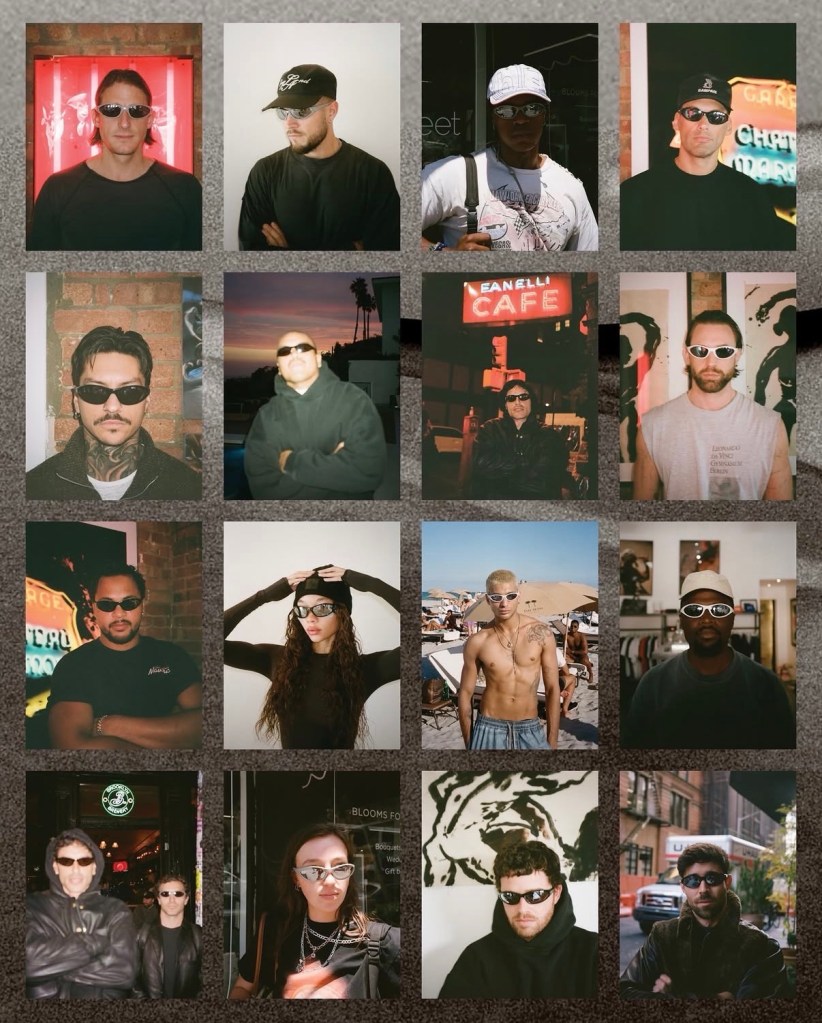
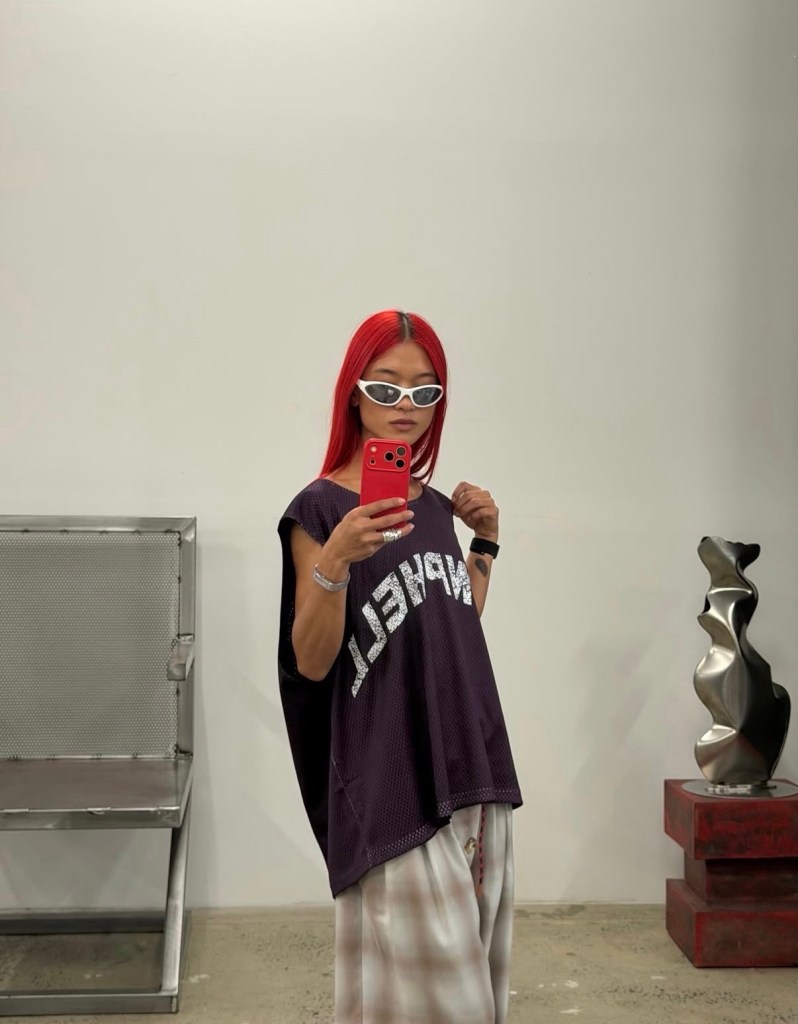
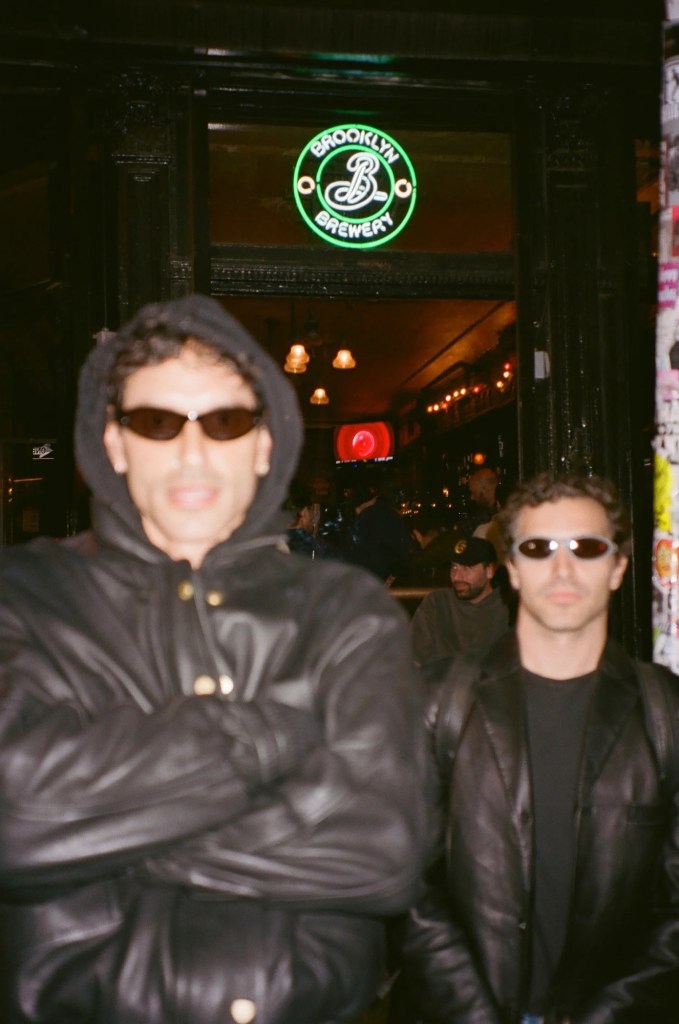
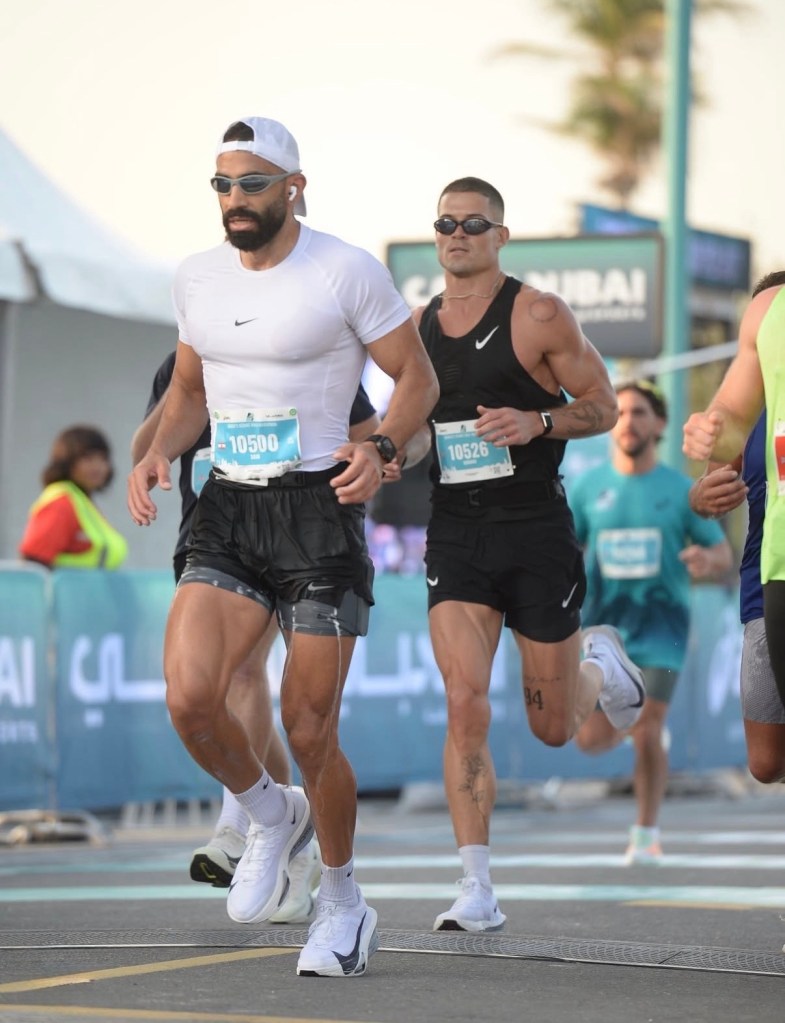
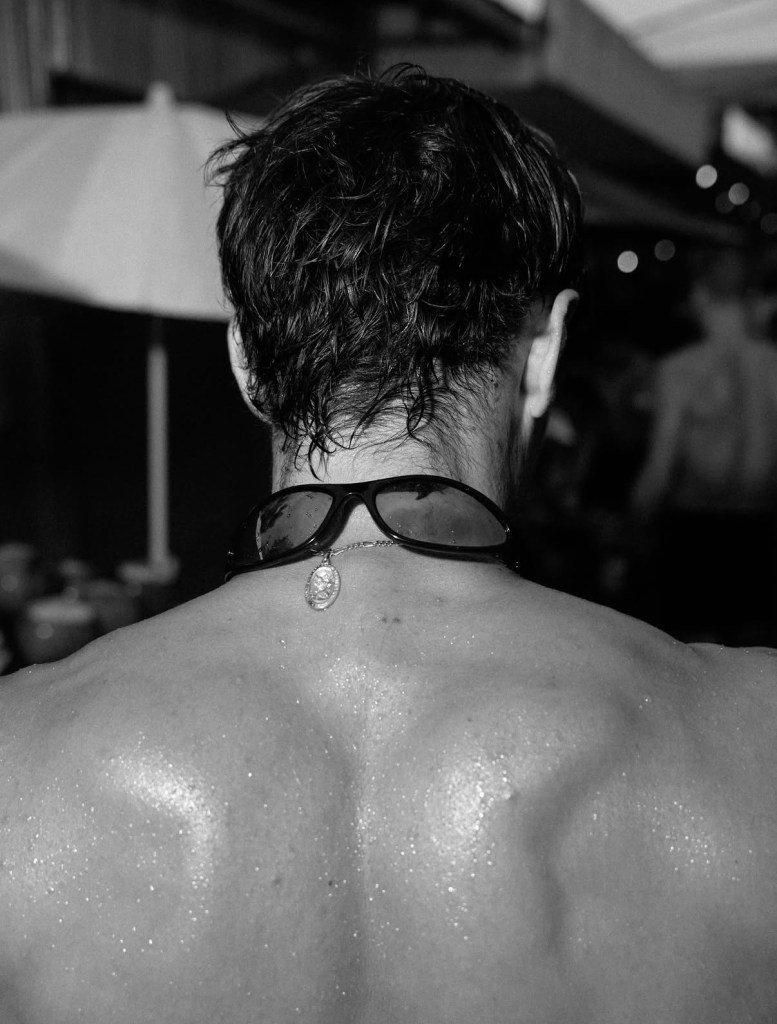
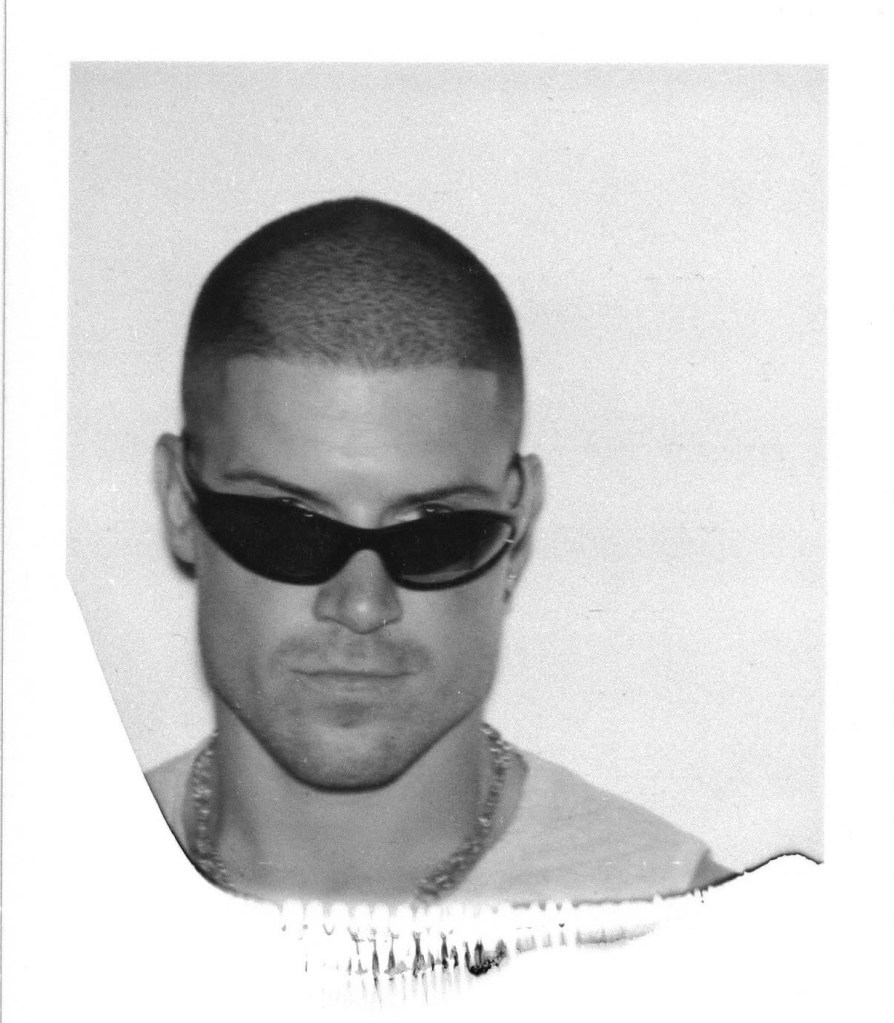
Most performance eyewear lives strictly inside sport. RIZKIA deliberately blurs that boundary. The same product is framed for the race and the rave. That duality matters. It pulls endurance gear out of a purely athletic context and drops it into culture. Not as a crossover, but as a natural extension of a lifestyle built around movement, energy, and intensity.
There is also a subtle narrative layer running through the brand. Naming like Cursus, referencing the idea of a course or path, reinforces that everything is tied back to motion and progression . Even the rollout strategy leans into storytelling before product, building a world and identity before fully scaling distribution .
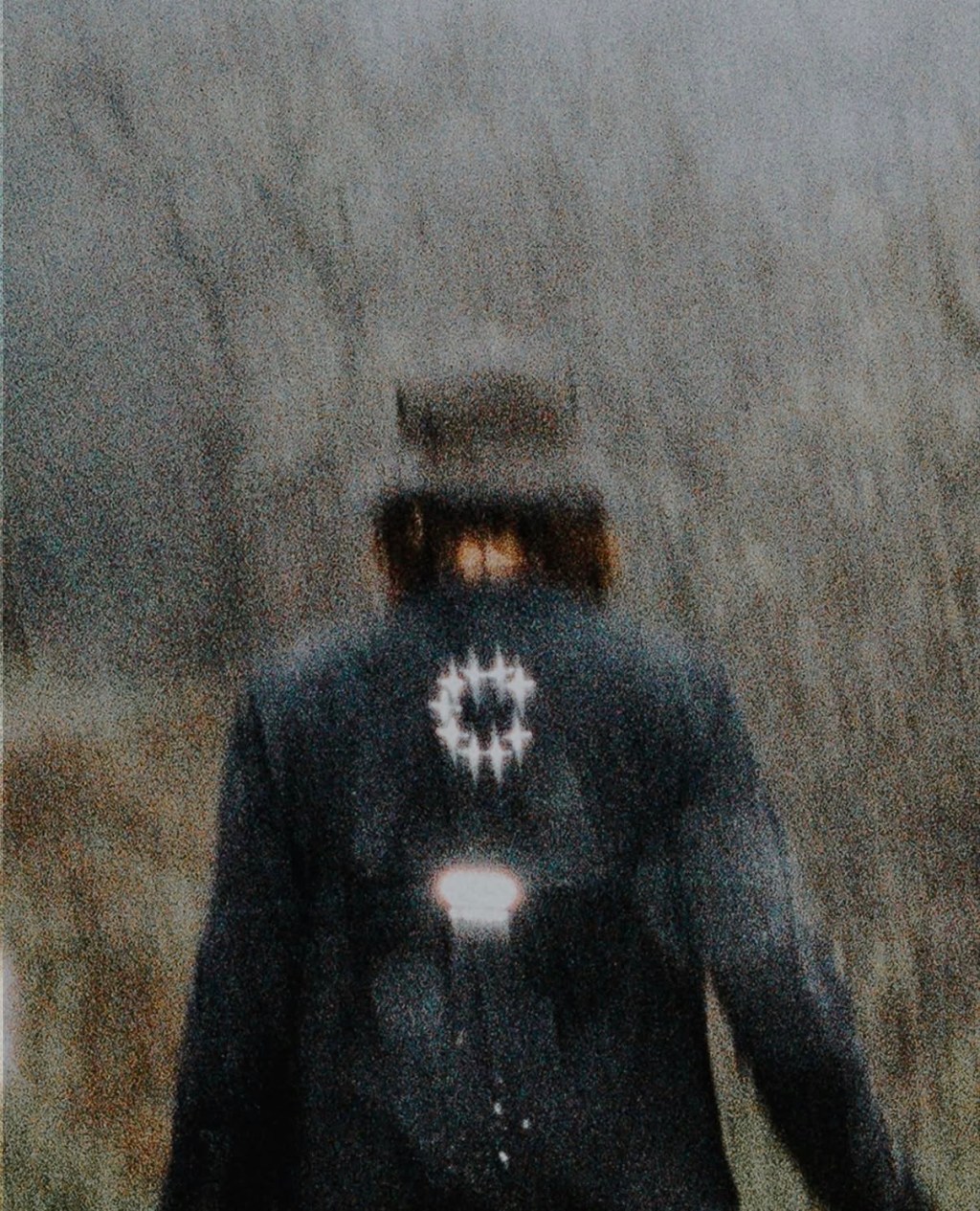
Visually, RIZKIA stays restrained. Clean silhouettes, minimal branding, almost anonymous at first glance. That restraint feels intentional. It lets the context do the work. A runner in the desert. A long road. A body in motion. The product becomes part of that image instead of competing with it.
In a space crowded with engineered performance claims and recycled aesthetics, RIZKIA moves differently. It is less about optimizing the athlete and more about documenting a mindset. One that accepts discomfort, seeks out extremes, and treats movement as something closer to identity than activity.
The result is a brand that does not try to convince you it belongs in both sport and culture. It simply exists in both, because the person behind it already does.
 DISTANCE CULTURE